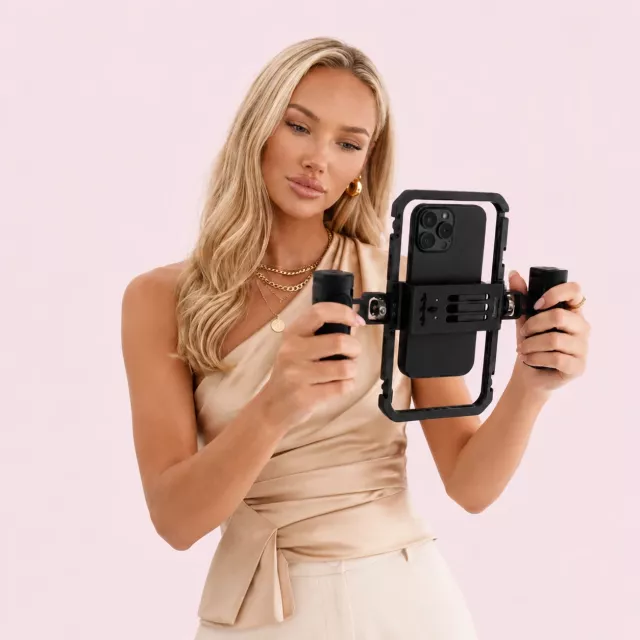
Jordan Ellis Fashion Mindset (30 Videos): Style Confidence That Holds Up on Real Days
Fashion choices are rarely just about clothes—they reflect confidence, clarity, and the ability to show up consistently. Jordan Ellis Fashion Mindset (30 Videos) is designed as a structured video series that connects personal style with practical mindset habits, helping viewers make faster outfit decisions, build repeatable routines, and feel more grounded in how they present themselves day to day.
Instead of chasing constant “new looks,” the series emphasizes stability: choosing with less second-guessing, building self-trust, and creating simple systems that reduce closet stress. Over time, those small wins can strengthen self-efficacy—the psychology term for confidence in your ability to take action and follow through (APA Dictionary of Psychology).
What the 30-video series is designed to build
This series is organized around the idea that style gets easier when your mindset does. The goal is a practical inner framework that supports better choices—not a never-ending checklist of trends.
- A repeatable way to think about style so getting dressed feels simpler and more intentional.
- Confidence skills that translate into daily presentation: posture, self-talk, and follow-through.
- Decision-making frameworks to reduce second-guessing, overbuying, and closet clutter.
- A mindset-first approach that supports consistency—so style upgrades don’t fade after a week.
That emphasis on learning and iteration also aligns with growth mindset principles: you can improve with practice, reflection, and better strategies—not just “natural” style talent (Stanford University: Growth Mindset).
Who it tends to work best for
People often look for style help when what they really want is more certainty and less friction. This format tends to fit especially well for:
- Professionals who want to look polished without spending extra time each morning.
- Creators, entrepreneurs, and job seekers who need a stronger on-camera or in-person presence.
- Anyone rebuilding confidence after a life change (new role, new city, changed body, shifted identity).
- Minimalists who want fewer pieces but better combinations and more reliable daily outfits.
- Shoppers who want to stop impulse purchases and start buying with a clearer plan.
A practical way to use the videos (without burning out)
The most common reason a good program “doesn’t work” is overload. A sustainable rhythm keeps the series useful while leaving room to apply what you learn.
- Start with a steady cadence: 3–5 videos per week to keep momentum while leaving room to apply ideas.
- Pair each viewing session with one small action (example: pre-plan tomorrow’s outfit, define a go-to color palette, or identify one fit issue to solve).
- Create a simple “style rules” note as you go (3–7 personal guidelines that make outfit decisions faster).
- Schedule one weekly review: what outfits felt best, what felt off, and what to adjust next week.
- Keep changes incremental: focus on one category at a time (shoes, outerwear, basics, accessories).
Suggested 4-week viewing rhythm (example)
| Week | Focus | Video Pace | Simple Outcome |
|---|---|---|---|
| Week 1 | Clarity + identity | 4–5 videos | Define 3 words that describe the intended look and presence |
| Week 2 | Confidence habits | 3–4 videos | Build a pre-event routine to reduce anxiety and indecision |
| Week 3 | Decision-making + wardrobe systems | 4–5 videos | Create a repeatable outfit formula for work or daily life |
| Week 4 | Consistency + refinement | 3–4 videos | Set a shopping filter to avoid impulse buys |
Skills the series aims to strengthen
Style confidence isn’t just “feeling good” in the mirror—it’s the ability to decide, commit, and move through the day without constant self-correction.
- Self-trust: choosing outfits faster and feeling comfortable with the choice.
- Consistency: aligning wardrobe choices with goals (career, confidence, social presence).
- Resilience: handling “off” days without abandoning progress or falling into negative self-talk.
- Simplicity: building outfit formulas that reduce mental load and morning stress.
- Intentional shopping: knowing what to buy next—and what to skip—based on a clear plan.
One helpful lens is habit design: reduce friction, make the next step obvious, and keep the routine small enough that it survives busy weeks (a core theme in behavior change frameworks like Atomic Habits).
What to look for when evaluating value
Video libraries can be hit-or-miss. If you’re comparing options, these checkpoints keep the purchase practical.
Related learning options for a stronger self-improvement library
- Damon Brooks Family Life Wellness (15 Videos) for broader lifestyle structure and home routines that support daily consistency.
- Fit At Home 4-Week Workout Plan (PDF) if motivation is tied to physical energy and body confidence.
Where to get Jordan Ellis Fashion Mindset (30 Videos)
Product page with current price and availability: Jordan Ellis Fashion Mindset (30 Videos). Consider bookmarking the page to revisit when you’re ready to commit to a consistent viewing schedule and a simple weekly review.
FAQ
How long does it take to notice a difference in confidence and outfit decision-making?
Many people notice faster outfit decisions within 1–2 weeks if they take one small action after each session. More consistent confidence and a steadier “default look” often show up around weeks 3–4 with a weekly review and incremental wardrobe tweaks.
Is this more about fashion tips or mindset training?
It’s mindset-led: decision-making, consistency, and confidence are the core skills, and style is the daily practice where those skills get applied. The focus is less on chasing trends and more on building a reliable way to choose and show up.
How should the videos be used if time is limited?
A simple approach is 2–3 videos per week, paired with one concrete action per session and a short weekly check-in. Consistency matters more than speed, especially when the goal is reducing mental load and second-guessing.